(907) 290-8899
 info@alaskaautotransportation.com
 3150 C St Anchorage, AK 99503
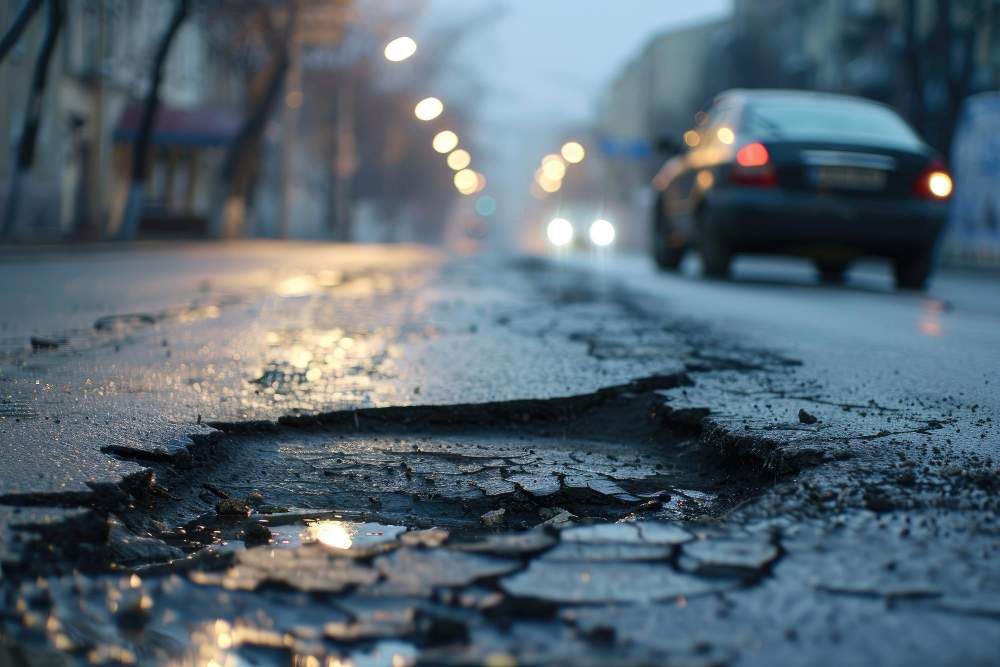
Spring in Alaska, roughly from March through May, is a season of transition that can make driving challenging. Many roads are still covered in ice and snow, while melting snow can create slippery, wet surfaces and flooding in low-lying areas. In some regions, potholes and road damage from the winter freeze-thaw cycle begin to appear, creating hazards for drivers. Additionally, unpredictable weather, including sudden rain, snow, or strong winds, can make even short trips risky. Rural and remote areas are especially treacherous, where limited services and long stretches between towns require careful planning.
Driving safely in Alaska during spring requires awareness, preparation, and sometimes specialized vehicles to handle the changing conditions.
1. Thoroughly Inspect Your Tires
Tires are your vehicle’s main contact with the road, and in Alaska’s unpredictable spring conditions, they play a critical role in safety. Before heading out:
- Check tread depth: Adequate tread ensures better grip on icy, wet, or slushy roads. Tires with worn tread can easily lose traction. According to Alaska state regulations tire tread must be at least 2/32 of an inch, so make sure your tires meet this minimum requirement.
- Look for cracks or damage: Cold winter months can create cracks in the rubber, which may worsen during spring thaw.
- Check tire pressure: Temperature changes affect air pressure. Under- or over-inflated tires can reduce handling and braking efficiency.
- Consider winter or all-season tires: Even in spring, some areas remain icy or snowy. Winter-rated or high-quality all-season tires can significantly improve traction.
Note: In Alaska, winter tires or all-season tires rated for snow are recommended. Look for the Three-Peak Mountain Snowflake (3PMSF) symbol, which ensures the tire is tested for severe snow conditions. Studded tires may be an option in icy areas, but check local restrictions before use.
2. Be Aware of Potholes
Part of why you want to be sure your tires are in good condition in the spring is because there are potholes a plenty that show up. Winter always forms and/or worsens potholes, which makes driving in Alaska a bit scarier in the spring. Also when snow melts and temperatures rise, roads can crack, sink, or develop sudden holes that pose serious hazards to drivers.
- Stay alert: Keep an eye on the road ahead and maintain a safe distance from other vehicles to give yourself time to react.
- Slow down in damaged areas: Reducing speed can prevent tire damage and help maintain control when hitting uneven surfaces.
- Avoid sudden maneuvers: Swerving abruptly to avoid potholes can cause accidents, especially on slippery roads.
- Report large potholes: You can report road hazards to the Alaska Department of Transportation & Public Facilities (DOT&PF). This helps improve road safety for all drivers.
- Check real-time road conditions: Before and during your trip, visit 511.alaska.gov for up-to-date information on road closures, construction, and hazardous conditions.
3. Look Out for Pedestrians, Bicyclists, and Wildlife
In Alaska, springtime brings more activity on the roads than just cars. As temperatures rise, more cyclists and pedestrians use bike lanes and sidewalks, frequently adapting to wet or slick conditions caused by melting snow. Particularly in residential areas, close to parks, and along well-traveled bike routes, drivers should exercise caution.
Additionally, springtime increases the frequency of encounters with wildlife. After winter, animals like moose, deer, and bears may cross roads while foraging, especially in rural and wooded areas. Moose are particularly dangerous because of their size and propensity for erratic movement, which can result in catastrophic mishaps.
Tips for staying safe
- In places where there is a lot of animal or pedestrian activity, slow down.
- Keep an eye out for wildlife near open fields, rivers, and forests.
- Because animals are more active at dawn and dusk, exercise extra caution during these times.
- When it’s safe, use high beams on dark rural roads, but dim the lights for approaching vehicles.
4. Prepare for Sun Glare
Sun glare can be extremely blinding throughout the day. It is strongest during sunrise and sunset, but that does not mean it is not there throughout the rest of the day (early morning and late afternoon when the sun is low on the horizon). Snow and ice lingering on the ground can reflect sunlight, further intensifying glare and reducing visibility. It is best to keep a pair of sunglasses either with you, or simply in the car all the time this season. Or you can use sun visors strategically to block direct sunlight without obstructing your view. But the best you can do is to adjust your speed when visibility is reduced to give yourself extra reaction time.
By preparing for sun glare and taking these precautions, you can maintain better visibility and reaction time, making spring driving in Alaska safer and less stressful.
 February 18, 2025