(907) 290-8899
 info@alaskaautotransportation.com
 3150 C St Anchorage, AK 99503
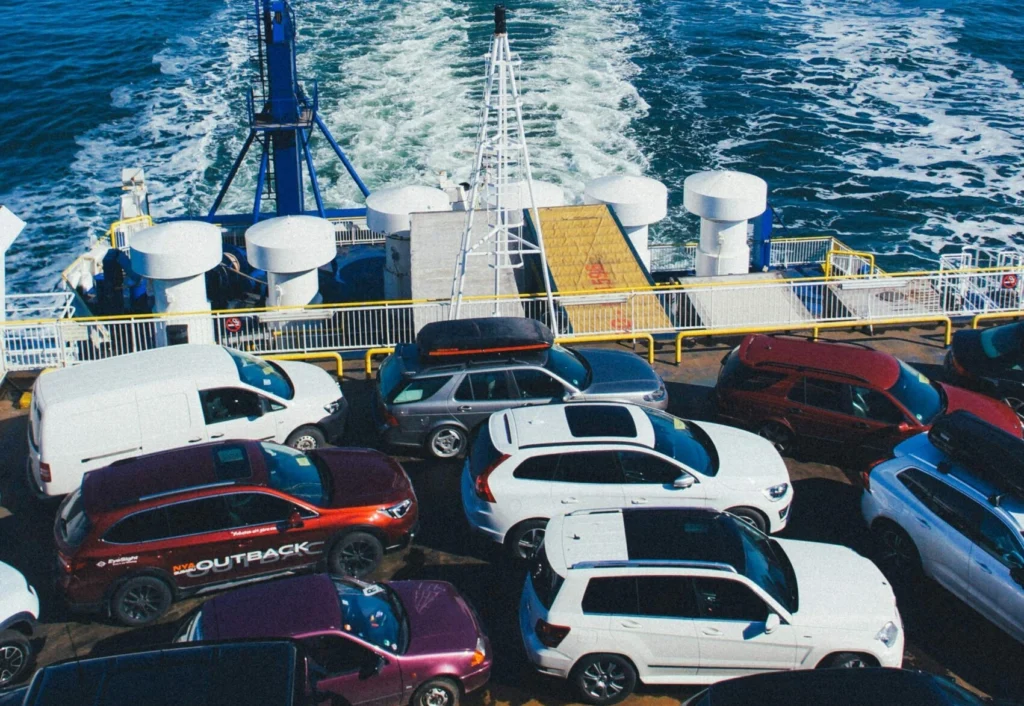
When you need to transport a car to or from Alaska, you have two main options: container shipping and RORO.
Roll on Roll off shipping is commonly chosen by individual car owners, military personnel, seasonal residents, and businesses who need to move a drivable vehicle efficiently. With this method, your car is simply driven onto a specialized vessel, securely parked, and then driven off at the destination port. Because RORO does not require a container, loading equipment, or extensive handling, it is typically more affordable and faster than container shipping.
This option is ideal when you’re shipping a standard, operable vehicle, especially for moves, seasonal relocations, or temporary assignments. While RORO requires the vehicle to be in working condition and relatively empty inside, many shippers prefer it for its simplicity, reliability, and lower cost.
How RORO Car Shipping Works?
The term “RORO,” which is widely used throughout the transport world, stands for roll-on/roll-off. It refers to the practice of driving cars onto and off of ships. With this style of shipping, your car will sit on the deck of a ship as it sails towards your destination. Therefore, many think of RORO as the ocean transport equivalent of overland open car shipping.
It’s a straightforward process designed for transporting operable vehicles by sea. The vehicle is delivered to the departure port, where it undergoes a basic inspection and documentation check. Once cleared, the car is driven directly onto a specialized RORO vessel using built-in ramps and securely parked inside the ship’s cargo deck. Smaller RORO vessels may hold hundreds of cars, while larger ocean-going ships can transport several thousand vehicles at once.
During transit, the vehicle remains stationary and protected within the vessel. Upon arrival at the destination port, the car is driven off the ship, inspected again, and made available for pickup or onward transport. Because RORO shipping eliminates the need for containers and heavy loading equipment, it is faster, more cost-effective, and widely used for shipping vehicles to and from Alaska.
Disadvantages of RORO Car Shipping
While RORO shipping is popular for its affordability and simplicity, it does have some drawbacks that potential shippers should consider.
- First, your vehicle must be fully operable, which means non-running or heavily modified cars cannot be shipped this way.
- Second, because RORO vehicles are exposed on the ship’s deck, there is limited protection from the elements, making it less ideal for luxury, classic, or highly valuable cars compared to container shipping.
- Additionally, personal items cannot be left inside the car, as the vessel’s cargo decks are accessible to port personnel and loading staff.
- Finally, RORO schedules are typically tied to ship departures, so timing may be less flexible than container options.
Despite these limitations, many drivers choose RORO for standard vehicles because it remains a reliable and cost-effective solution.
RORO vs Container Shipping: Which Option Is Right for You?
RORO shipping is ideal for operable, standard vehicles and is generally more affordable and faster, as it eliminates the need for a container and extra handling. However, RORO offers less protection from weather and handling, and personal items cannot be left in the car. Container shipping, on the other hand, places your vehicle inside a secure container, providing maximum protection against the elements, road salt, and potential damage. It’s the preferred choice for luxury, classic, or high-value vehicles, or for cars that are shipped with belongings inside. Container shipping is typically more expensive and sometimes slower but offers peace of mind for delicate or customized vehicles.
Should I Choose RORO for My Car?
RORO is a great car shipping service, but it isn’t perfect for every situation. If you want to save time and money on your shipment, then RORO is perfect for your vehicle. And if you need to ship a large vehicle that may not fit in a standard shipping container, then RORO may be your only realistic option. However, RORO has one major drawback: it leaves your car open to the elements. When your car needs to cross a large open sea, the air can erode its paint job and the spray can leave water spots all over. This isn’t necessarily a problem for most car owners, but for those with exotic cars, this can be a dealbreaker. Therefore, if your car is exotic or particularly expensive, you should probably go for container shipping instead.
Overall, though, RORO is a great transport method that works for almost all vehicles. If you want to ship a car to or from Alaska, we’d be happy to arrange a RORO shipment for you and your car. Call us today to ship your car with the pros!

 February 18, 2025