(907) 290-8899
 info@alaskaautotransportation.com
 3150 C St Anchorage, AK 99503
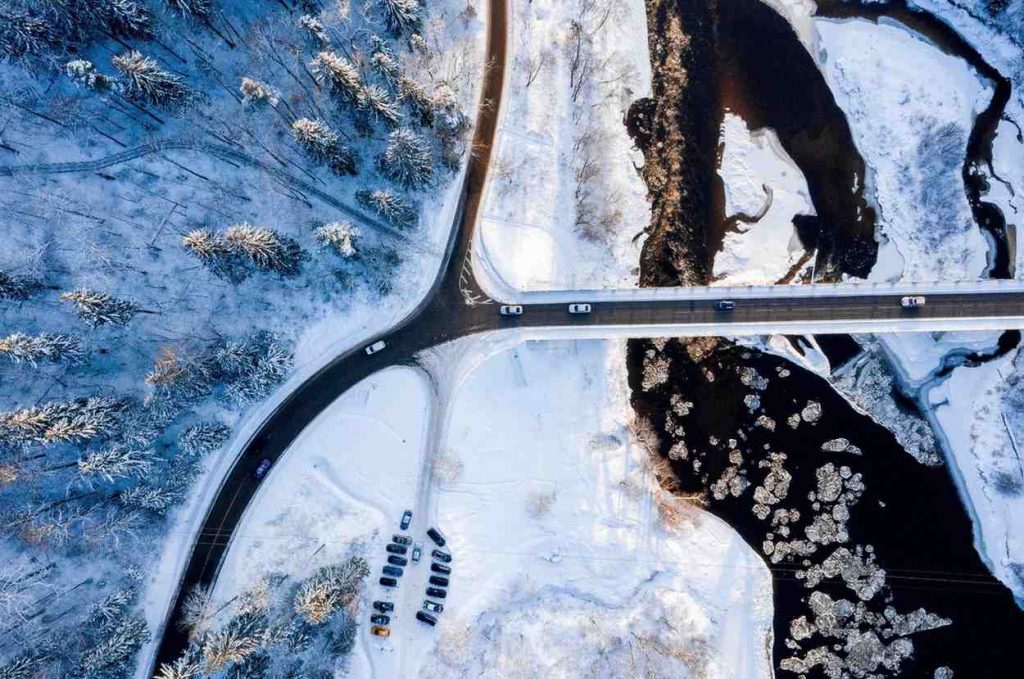
Alaska’s winters have been harsh in recent years, and each year presents new obstacles for car shipment. Hence, In 2023, Anchorage experienced an exceptionally snowy year with roughly 170% of its normal snowfall, making that winter one of the snowiest in decades and contributing to the extreme conditions that complicate vehicle transport and logistics in the region. In 2024, Anchorage experienced another unusually snowy winter, recording about 171% of its normal snowfall, reinforcing a trend of heavier snow seasons that directly affects road conditions and vehicle transport logistics in the state. Early winter outlooks for late 2025 into early 2026 suggest a mixed snow and temperature pattern across Alaska, with parts of the state likely to see near‑normal to above‑normal snowfall while other regions may experience below‑normal precipitation, reflecting a variable winter forecast rather than uniformly heavy snow like recent years.
This year’s snowfall has already exceeded 100 inches by January, making it one of the earliest and snowiest winters on record. The roads are clogged with ice and snow, ports operate slowly due to frozen docks and limited daylight, and even major highways such as the George Parks, Glenn, and Richardson Highways demand additional caution. These conditions necessitate more flexible shipping schedules, longer journey times, and more vehicle protection, making winter car shipping in Alaska a logistical challenge that exceeds the typical interstate relocation.
Snow and Ice on Roads
Alaska’s highways are unlike anywhere else in the U.S. The George Parks Highway, Glenn Highway, and Richardson Highway are well-maintained, but during record winters, even these main arteries can become slippery, icy, or snow-choked. Secondary and rural roads are far more unpredictable, often requiring detours or slower travel.
Compared to milder winters in 2023, this year’s record snowfall has made trucking routes heavier and riskier. Carriers use winter tires, chains, and slower speeds to navigate safely, and even experienced drivers must adjust schedules to avoid the worst conditions.
Freezing Temperatures and Vehicle Protection
Extreme cold affects vehicles more than snow alone. Batteries, fluids, and even tire pressure behave differently in sub-zero temperatures. Trucks moving vehicles across Alaska need to consider these factors carefully. For high-value cars, shipping in containers is recommended to protect cars from issues such as ice, road salt, and flying snow, especially critical this year given the unprecedented snowfall.
Port Operations During Winter
Anchorage, Whittier, and Valdez are major ports for shipping cars from Alaska. When snow accumulates quickly, port activities halt or stop completely for safety concerns. In record winters like this one, heavy snowfall, ice docks, and limited daylight hours can all cause delays in loading and departure processes. Compared to 2023 and 2024, this year’s harsh winter makes port planning and scheduling more difficult than ever.
Shipping Delays and Scheduling Considerations
With the weather more severe this year than in previous winters, shipping times have extended. What normally takes 10-14 days to the West Coast can stretch to 3 weeks or more for longer routes. Planning ahead, booking early, and maintaining flexibility are essential. Even the best carriers must adapt to sudden snowstorms, highway closures, and port delays.
Tips for Smooth Winter Car Shipping From Alaska
- Book with experienced carriers who know Alaska’s highways and winter hazards.
- In case you are going to ship an expensive luxury car, we suggest that you consider the option of shipping your car in a container. In this case you will protect your vehicles from snow, ice, and salt.
- Additionally, prepare your car by cleaning snow off, checking fluids, and documenting its condition. Be flexible with timing, record-breaking winters mean delays are always possible.
- Account for highway differences, even though the main highways are maintained, rural roads may be slower or temporarily closed.
Car shipping in Alaska during winter is more than a delivery, it is an adventure. Compared with recent years, 2023 was challenging, 2024 heavier, and this winter may be the snowiest yet. A mix of snow, ice, freezing temperatures, and limited daylight makes car shipping more challenging, requiring careful planning, flexible scheduling, and protective measures. To ship a car safely from Alaska, you must prepare, be patient, and check all the necessary information concerning your trip through 511 AK official portal. In this case you will eliminate all unforeseen issues that may arise during your car’s transportation. And your final step is selecting carriers who understand the unique challenges of the Last Frontier.

 February 18, 2025