(907) 290-8899
 info@alaskaautotransportation.com
 3150 C St Anchorage, AK 99503
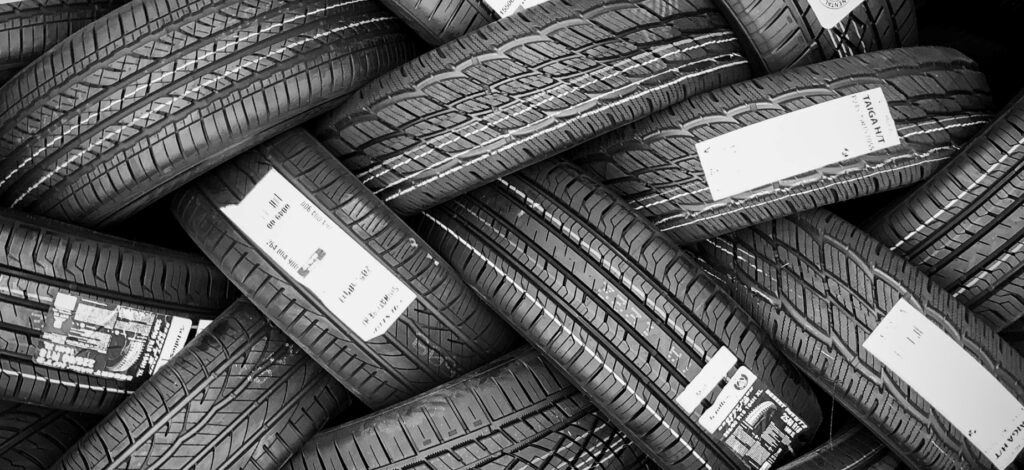
Driving in Alaska requires a different approach than most other states, and choosing the right tires is one of the most important safety decisions you can make. Long winters, extreme cold, heavy snowfall, and icy roads are common across much of the state, especially in Interior regions like Fairbanks, where temperatures can drop well below zero for extended periods. In these harsher areas, studded winter tires are often the preferred choice, providing superior traction on ice-packed roads and frozen highways.
Coastal regions such as Anchorage, Juneau, and the Kenai Peninsula experience slightly milder temperatures but still face frequent snow, slush, and freeze – thaw cycles that make roads unpredictable. Whether you live in a major city or travel long distances between communities, understanding which tires are best suited for Alaska’s diverse and extreme conditions is essential for staying safe, maintaining control, and complying with local driving practices.
Tire Types Commonly Used in Alaska
Choosing the right tire type depends on where you drive in Alaska, how severe the winters are, and how often you encounter ice or packed snow. Below is a comparison of the most common tire options used across the state.
| Tire Type | Best For | Advantages | Drawbacks |
| Studded Winter Tires | Interior Alaska (Fairbanks, rural highways, extreme cold) | Excellent grip on ice; superior traction on frozen roads; increased braking control | Louder on dry pavement; can wear roads faster; limited seasonal use |
| Studless Winter Tires | Anchorage, coastal areas, mixed winter conditions | Good traction on snow and ice; quieter ride; better performance on dry winter roads | Less grip on solid ice compared to studded tires |
| All-Season Tires | Short city trips, mild coastal winters | Can be used year-round; no seasonal tire changes needed | Not designed for extreme cold; reduced traction on ice and deep snow |
| All-Terrain Tires (Winter-Rated) | Trucks, SUVs, rural or unpaved roads | Durable; good traction on snow, gravel, and mud; suitable for mixed terrain | Not as effective on ice as true winter tires |
Legal Rules for Winter and Studded Tires in Alaska
In Alaska, studded tires are generally allowed statewide from September 15 or 16 through April 30, covering the months when icy and snow-packed roads are most common. This extended season reflects Alaska’s long winters and the need for added traction during early fall freezes and late spring snowstorms.
While this timeframe applies statewide, drivers should be aware that weather conditions can vary significantly by region. Interior areas such as Fairbanks may experience winter conditions much earlier, while coastal regions may see fluctuating freeze – thaw cycles. Because of this, it’s always smart to verify local guidance and adjust tire use based on actual road conditions.
Outside of the allowed season, studded tires should be removed to avoid road damage and potential fines. Even within the legal window, drivers are responsible for using tires appropriately and maintaining safe vehicle control at all times.
Tires for Other Alaska Weather Conditions
While winter driving gets the most attention in Alaska, drivers also need to prepare for spring thaw, summer rain, gravel roads, and fall freeze-thaw cycles. During late spring and early summer, melting snow can leave roads wet, muddy, or damaged, making all-terrain or all-season tires with good water evacuation a practical choice. These tires help reduce hydroplaning and provide better stability on uneven or pothole-filled roads.
In rural areas and on unpaved highways (such as sections of the Dalton or Denali Highways) drivers often prefer all-terrain tires year-round due to their durability and stronger sidewalls. Fall brings rapidly changing conditions, where rain can freeze overnight, so many Alaskans switch to winter-rated tires early rather than risk sudden icy roads. Choosing tires suited for non-winter conditions ensures safe handling, better traction, and longer tire life throughout Alaska’s unpredictable seasons.
Choosing the right tires for Alaska is not just about comfort – it’s about safety, control, and confidence on the road. With long winters, unpredictable weather, and extreme regional differences, Alaska drivers must match their tire choice to where and how they drive.
By understanding tire types, following Alaska’s seasonal regulations, and preparing for changing road conditions, drivers can significantly reduce risks during winter travel.

 February 18, 2025