(907) 290-8899
 info@alaskaautotransportation.com
 3150 C St Anchorage, AK 99503
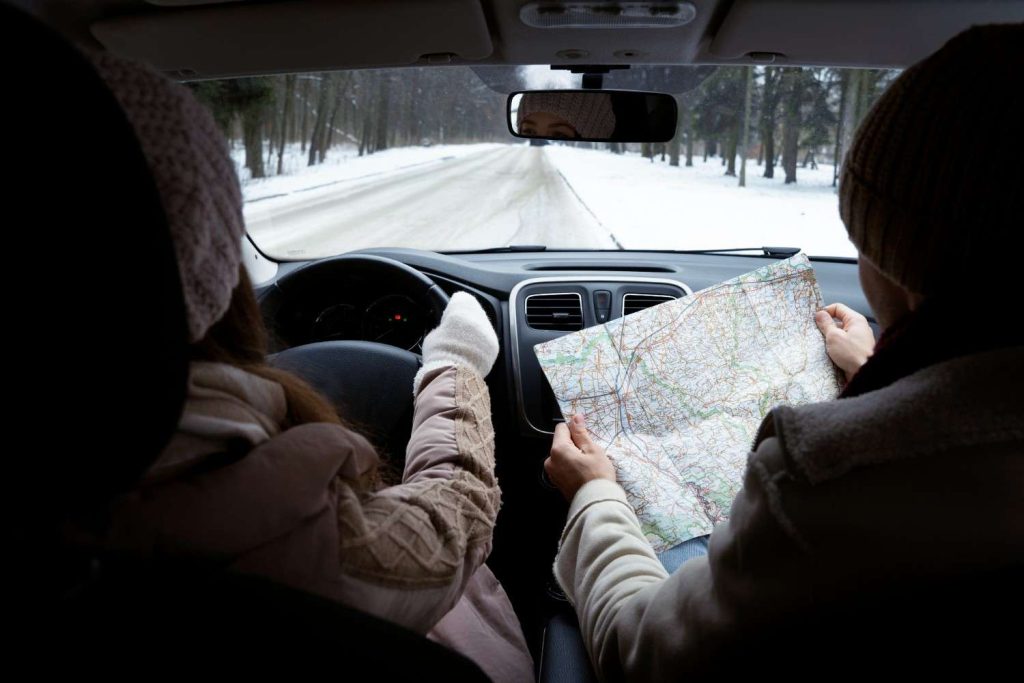
When you hear Alaska, you likely think of a cold, tundra with heavy snowfall but gorgeous views. Driving long distances in Alaska is an adventure unlike anywhere else in the U.S. Many travelers and new residents choose to buy or rent a car and explore the state themselves, giving them the freedom to experience breathtaking landscapes, glaciers, and mountains at their own pace. Whether you’re a wildlife enthusiast hoping to spot moose, bears, or caribou along the highways, or someone relocating for work, school, or seasonal employment, driving yourself allows for both practical transportation and unforgettable sightseeing.
Alaskan highways, such as the Alaska Highway, Seward Highway, and Richardson Highway, are not just routes from point A to B – they are opportunities to immerse yourself in the state’s natural wonders, witness wildlife in their natural habitat, and enjoy the thrill of exploring remote towns and hidden gems along the way. If you even bought a car and want to drive home by yourself, with proper planning and defensive driving techniques, your long-distance journey can be safe, memorable, and allow you to experience Alaska in a truly unique way.
What You Can Expect to See
On the road you may encounter Alaska’s iconic wildlife, including moose, bears, caribou, and eagles, especially in forested areas, along river valleys, and near protected parklands. Observing animals from a safe distance is crucial, so defensive driving and heightened awareness are essential, particularly during dawn and dusk when wildlife is most active.
Whether you’re stopping at pullouts for photos, exploring national parks, or simply enjoying the views from your car, a long-distance drive in Alaska lets you experience the state’s beauty and wildlife up close in a way few other places can offer.
Popular Long-Distance Driving Routes in Alaska
| Route | Road Conditions & Highlights |
| Dalton Highway | Remote and rugged; mostly gravel in sections. Best for adventurous drivers. Offers stunning Arctic landscapes, oil fields, and wildlife like caribou and muskox. Ideal for experienced long-distance drivers. |
| Alaska Highway | Paved and well-maintained; stretches from British Columbia to Delta Junction, AK. Scenic views of mountains, rivers, and forests, with historic stops and small towns along the way. |
| Glenn Highway | Paved and accessible year-round. Connects Anchorage to Glennallen, with mountain vistas, river valleys, and Matanuska Glacier along the route. |
| Seward Highway | Smooth, paved highway connecting Anchorage to Seward. Known for coastal views, mountains, glaciers, and wildlife. Popular for day trips and scenic drives. |
| Richardson Highway | Mostly paved, moderate traffic. Passes through Wrangell-St. Elias and Valdez, offering glaciers, waterfalls, and wildlife viewing opportunities. |
Planning Your Long-Distance Drive
Proper planning is essential for a safe and enjoyable long-distance drive in Alaska. Start by mapping your route in advance, identifying rest stops, fuel stations, and potential overnight stays, especially if your journey passes through remote or sparsely populated areas. When driving in winter or snowy conditions, check the weather forecast and road conditions using resources like 511 Alaska. Equip your vehicle with winter tires, emergency supplies, and traction aids in case of icy patches.
Plan for overnight accommodations along the route, whether in small towns, lodges, or designated rest areas, and allow extra travel time to avoid rushing on icy or unfamiliar roads. Keep an emergency kit including food, water, blankets, a first-aid kit, and a flashlight, and ensure your phone and vehicle are fully charged.
By preparing your route, monitoring weather conditions, and packing essentials, you’ll be able to handle Alaska’s challenging roads safely while enjoying the breathtaking scenery along the way.
Most Challenging and Hazardous Roads in Alaska
Alaska is home to some of the most scenic yet challenging roads in the U.S., where drivers must be prepared for remote stretches, unpredictable weather, and wildlife encounters. Knowing which routes are most hazardous and how to navigate them safely is essential for long-distance driving in the state.
Some of the most challenging roads include:
- Dalton Highway: Remote, mostly gravel, and limited services. Drivers face long stretches without fuel, icy patches in winter, and frequent wildlife crossings. Essential for experienced drivers only.
- Glenn Highway (particularly near Matanuska Glacier): While paved, this highway can become slippery due to ice and snow, especially during early winter and spring thaw. Watch for narrow curves and steep grades.
- Seward Highway (between Anchorage and Seward): Scenic but winding. Drivers should be cautious of fog, falling rocks, and wildlife along coastal and mountainous sections.
- Richardson Highway: Exposed to harsh weather and ice during winter. Long stretches between towns require planning for fuel, food, and rest.
- Parks Highway (near Denali National Park): Popular with tourists but can be dangerous due to moose crossings, variable weather, and heavy traffic in summer months.

 February 18, 2025