(907) 290-8899
 info@alaskaautotransportation.com
 3150 C St Anchorage, AK 99503
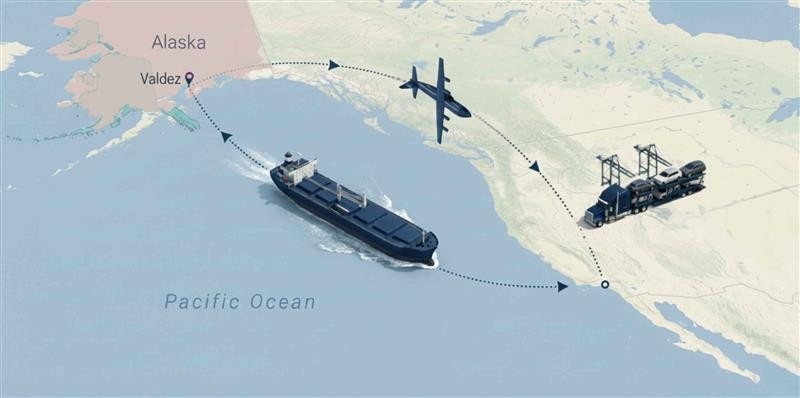
Alaska isn’t just another state on the map – it’s a land defined by extremes. It’s the largest U.S. state by far, larger than Texas, California, and Montana combined. That’s because Alaska is physically separated from the Lower 48 by Canada, it is more difficult and costly to transport vehicles cross-border and by sea. Those unique features make shipping a vehicle from Alaska to the Lower 48 very different from a standard interstate move. So, it does not matter whether you’re relocating from Anchorage, leaving Fairbanks after a long winter, or returning south after a seasonal job, understanding Alaska’s geography and infrastructure is key to planning a smooth vehicle shipment.
How Vehicle Transport from Alaska to the Continental U.S. Works
Alaska’s size and isolation shape the entire transport process. With limited road connections to Canada and no direct highway link to the Lower 48, most vehicle shipments rely on a combined land-and-sea route.
Vehicles are first transported by truck from their pickup site to a large port, typically Anchorage. This phase alone can include hundreds of miles of driving across steep terrain, long stretches of highway, and changeable weather conditions – all of which are unique to Alaska. Vehicles are loaded at the port onto roll-on/roll-off ships or barges and carried south to the Pacific Northwest, usually Seattle or Tacoma. Once the car reaches the continental United States, typical transportation takes over, transporting it to destinations on the West Coast, Midwest, South, or East Coast.
How Long Does it Take?
Transit times usually range from 10 to 21 days, depending on distance and season. West Coast deliveries are often the fastest, while shipments to central or eastern states take longer. Alaska’s weather plays a major role here-winter snow, ice, and shorter daylight hours can slow both trucking and port operations, making scheduling flexibility especially important.
Top Routes from Alaska
Because Alaska has a small number of deep-water ports and large highways, vehicle transport routes are relatively standardized. The most common and efficient route connects Anchorage to Seattle, which serves as the principal gateway between Alaska and the Lower 48.
Vehicles from interior cities such as Fairbanks frequently travel south to Anchorage before continuing by sea. Coastal settlements may employ smaller ports, although most still connect to the same Pacific Northwest entry points. Trucking routes branch out throughout the country, linking Alaska vehicles to every part of the United States. These routes reflect Alaska’s infrastructure reality: long distances, fewer highways, and a heavy reliance on maritime transport to connect with the rest of the nation.
Factors That Impact the Shipping Costs
Alaska’s distinctive features have a significant impact on shipping prices. Distance is an important element, not only between Alaska and the Lower 48, but also inside the state itself. Transporting a vehicle from a rural town or interior region can result in a large distance before it reaches the port.
Vehicle size is also important, particularly in Alaska, where trucks and SUVs are more frequent due to the rough terrain and winter conditions. Larger vehicles demand more space on ships and carriers, resulting in higher costs.
In Alaska seasonality also plays an important role. Specific features such as harsh winters, limited daylight, and increased demand during peak moving seasons may impact availability and pricing policy. This is why choosing enclosed transport for added protection-would be the best decision for Alaska’s icy and salty coastal environment. Of course, it will raise the overall cost but may be worthwhile for certain vehicles.
How to Your Vehicle is Shipped from Alaska
When you are relocating to the Lower 48 and can fly yourself but not your vehicle, you should hire a shipping company but first choose the shipping option:
When shipping a vehicle from Alaska to the Lower 48, container shipping is the safest option for expensive or high-value cars. Unlike open transport, container shipping fully encloses the vehicle, protecting it from saltwater, snow, ice, and harsh Alaskan weather during the sea voyage. Major Alaskan ports for vehicle shipments include Anchorage, Whittier, and Valdez, which handle most departures to the continental U.S. Once on board, the container is transported to Pacific Northwest ports such as Seattle or Tacoma in Washington State – the primary entry points for cars from Alaska. From these ports, vehicles are then delivered overland to destinations across the Lower 48, ensuring that even luxury or classic cars arrive safely and damage-free despite the challenging winter conditions in the Last Frontier.
Properly Prepare Your Car Before Arranging the Shipment
- Road salt, gravel, and snow residue are common, thus washing the outside helps document the vehicle’s condition before transit.
- Photos are especially necessary when shipping from a state where dangerous roads are part of everyday life.
- Remove personal items, ensure the battery is good, and check for fluid leaks that may worsen during long-distance driving.
- Alaskan vehicles are frequently used and winter-tested, so ensuring that everything is safe helps to avoid problems when loading and unloading at ports.

 February 18, 2025