(907) 290-8899
 info@alaskaautotransportation.com
 3150 C St Anchorage, AK 99503
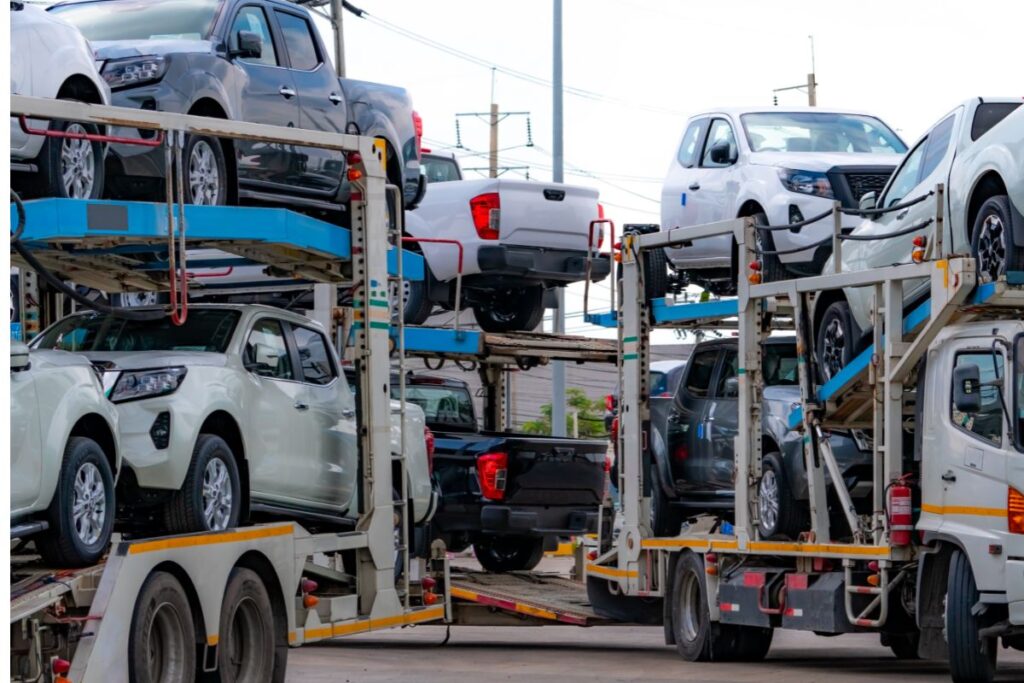
Shipping a car to Alaska is not as straightforward as typical domestic transport. If you choose to ship by land, your vehicle must cross the Canadian border and travel through Canadian highways before re-entering the United States. This overland route requires customs paperwork, border inspections, and compliance with both U.S. and Canadian transport regulations. While land transport gives flexibility and overland control, it is not a cheap option, and costs can add up depending on distance, vehicle size, and permits.
Alternatively, some buyers choose shipping by sea, which can be more direct and sometimes cost-effective, especially when combining overland trucking with a port-to-port shipment. Understanding both options helps you make an informed decision for safely transporting your vehicle to Alaska.
Shipping a Car to Alaska by Truck
When shipping a vehicle to Alaska by land, carriers typically use enclosed or open trucks, depending on the vehicle type and owner preferences. This method involves several key steps:
- Permits and Documentation: A temporary import permit, ownership documentation, and customs clearance paperwork are needed to transport an automobile across Canada. The owner must supply all required titles and registration documents, although the carrier frequently helps with this paperwork.
- Trip Duration: The overland journey can take several days to over a week, depending on the starting location in the continental U.S., road conditions, weather, and border processing times.
- Loading and Transport Method: Vehicles may be transported on open car haulers (more affordable, exposed to weather) or enclosed carriers (more protection, higher cost). Luxury, classic, or high-value vehicles typically use enclosed transport.
- Insurance and Liability: Ensure the carrier provides transport insurance, as overland shipping exposes vehicles to potential damage, weather, and road hazards.
Transport Methods
| Method | Benefits | Drawbacks |
| Open Truck Transport | Lower cost; widely available; can transport multiple vehicles at once | Exposed to weather, snow, ice, and road debris; higher risk of minor scratches; less protection for high-value vehicles |
| Enclosed Truck Transport | Full protection from weather and road debris; ideal for luxury, classic, or high-value cars; safer during long-distance trips | Higher cost; fewer available slots; carries fewer vehicles per trip, increasing per-vehicle cost |
Shipping a Car to Alaska by Sea
Another well-liked option for shipping cars to Alaska is ocean shipping, particularly for purchasers seeking a straightforward and generally low-risk path. In contrast to overland trucking, sea transportation minimizes exposure to road hazards and reduces vehicle wear and tear by avoiding lengthy road segments across Canada.
How It Works
First you need to select the port. Cars are typically transported to Alaskan ports like Anchorage, Seward, or Dutch Harbor from major continental U.S. ports like Seattle, Tacoma, or Los Angeles. Second there are two shipping methods:
- RORO (Roll-On/Roll-Off): Cars are driven directly onto the ship, secured, and unloaded at the destination port. This method is cost-effective, but vehicles are exposed to the elements.
- Container Shipping: Cars are loaded into a sealed container, either individually or with other vehicles, offering maximum protection from weather, saltwater, and handling. This is ideal for luxury, classic, or high-value vehicles.
For single-vehicle containers, the car is securely strapped and often shipped alone. Multi-vehicle containers allow several cars to share space, which is cheaper but may require additional scheduling coordination.
Ocean shipping requires the same documents as overland transport, including vehicle title, bill of sale, photo ID, and port release forms. Some ports may also require customs clearance documents if shipping internationally (for example, via Canadian ports).
Final Words
Although you can ship a vehicle to Alaska by truck, it’s not very common and usually isn’t the most practical choice. Overland transport means crossing the Canadian border and driving hundreds (or even thousands) of miles along remote highways before re-entering the U.S. This route requires border paperwork, special permits, and careful planning, making it both time-consuming and expensive.
Truck shipping typically uses either open trailers – more affordable but exposing vehicles to the elements – or enclosed trailers for added protection. However, even enclosed trucking offers limited protection compared to ocean container shipping, especially on such long distances with harsh Alaskan weather. Due to the complexity, extended transit times, and overall costs, most buyers find that ocean shipping via RORO or container transport is a safer, more reliable, and commonly used method for delivering vehicles to Alaska.

 February 18, 2025