(907) 290-8899
 info@alaskaautotransportation.com
 3150 C St Anchorage, AK 99503
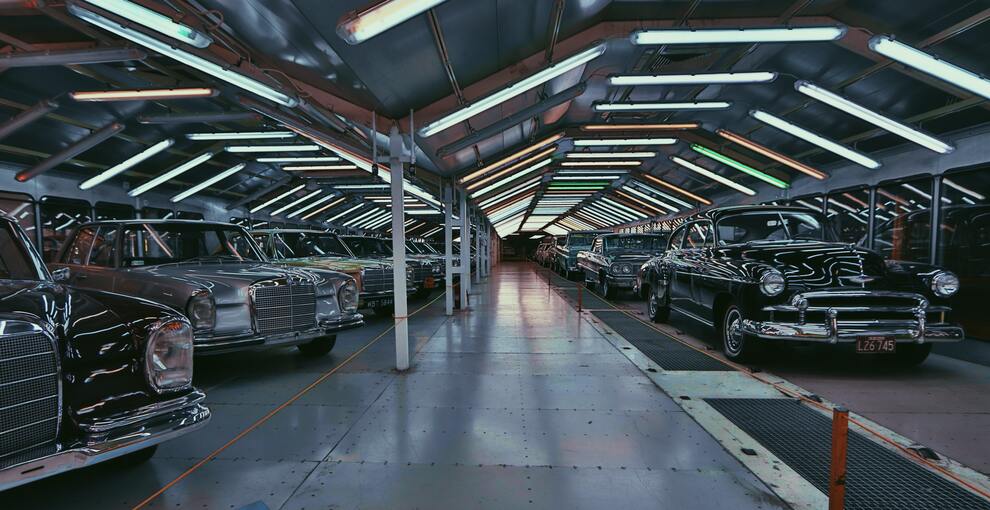
Whether you’re storing your vehicle for a few weeks or several months, proper preparation is essential to keep it in good condition.
- Short-term storage (typically a few days to a few weeks) is common when traveling, moving, or leaving your car in a garage while not in use. Even during short periods, issues like battery drain, tire flat spots, and dust accumulation can occur if your car isn’t properly prepared.
- Long-term storage, lasting several months or more, requires more extensive precautions. This is often necessary for seasonal vehicles, classic cars, or if you’re leaving your car while relocating or traveling for an extended period. Without proper care, long-term storage can lead to fluid deterioration, rust, tire damage, and even pest infestations.
Many people have more than one car, but very few can afford a state-of-the-art storage solution at their own home. That is why warehouse storage has become popular for both short- and long-term periods, offering climate control, security, and peace of mind.
In both cases, taking the right steps ensures your vehicle remains safe, functional, and ready to drive when you return, preventing costly repairs and preserving its value.
Preparing a Car for Short-Term Storage
If you’ve decided to travel abroad, take a short trip, and you need to temporarily park your second vehicle for a few days or weeks, proper preparation ensures your car stays in good condition and is ready to drive when you return. Even short periods of inactivity can cause minor issues like battery drain, flat spots on tires, or dust buildup.
Tips for short-term storage
- Fill up the gas tank: A full tank prevents moisture buildup inside the fuel system and reduces the risk of corrosion.
- Check the battery: Disconnect it if possible, or use a trickle charger to prevent it from draining.
- Clean the car: Wash and wax the exterior, and clean the interior to prevent dirt, dust, or odors from accumulating.
- Tire care: Inflate tires to the recommended pressure to avoid flat spots, especially if the car will sit in one spot for more than a week.
- Cover the car: Use a breathable car cover to protect against dust and minor scratches, particularly if storing in a garage or outdoor covered area.
- Secure the vehicle: Lock doors, close windows, and remove valuables to prevent theft or damage.
- Use parking brakes carefully: For short-term storage, lightly engage the parking brake or use wheel chocks to avoid brake sticking.
Note: If you return and discover an issue such as a drained battery, don’t panic. Try jump-starting the car or using a battery charger, check tire pressure and inflate if needed and make sure oil, coolant, and other fluids are at proper levels before driving.
Protect Your Vehicle During Long-Term Storage
A car must be carefully prepared before being stored for several months or longer in order to avoid damage and maintain optimal condition. Seasonal vehicles, vintage cars, and cars left behind during lengthy travel or relocation are frequently stored for an extended period of time. Problems like rust, tire damage, fluid deterioration, and pest infestations can arise if appropriate precautions are not taken.
Tips for long-term storage
- Clean and wax the car: Remove dirt and grime, then apply a coat of wax to protect the paint from corrosion.
- Fill up the gas tank: A full tank helps prevent moisture buildup and keeps the fuel system in good condition.
- Add fuel stabilizer: This prevents the gasoline from degrading and clogging the engine over time.
- Check and top up fluids: Ensure oil, coolant, brake, and windshield fluids are at proper levels.
- Disconnect or maintain the battery: Either disconnect the battery or use a trickle charger to prevent it from dying.
- Tire care: Inflate tires to the recommended pressure and consider using tire jacks or pads to avoid flat spots.
- Cover the car: Use a breathable, waterproof car cover to protect against dust, moisture, and minor scratches.
- Seal openings: Close windows, doors, and vents properly to prevent pests from entering the vehicle.
- Choose a suitable storage location: Climate-controlled storage or a garage is best to protect from extreme temperatures and moisture.
Note: If you discover mold, mildew, or moisture after long-term storage clean the interior using mild detergent or a specialized upholstery cleaner, and use a dehumidifier or moisture absorbers to remove lingering dampness. Check for hidden mold in vents, under carpets, or in the trunk, and inspect electrical components for any signs of water damage before starting the vehicle.

 February 18, 2025