(907) 290-8899
 info@alaskaautotransportation.com
 3150 C St Anchorage, AK 99503
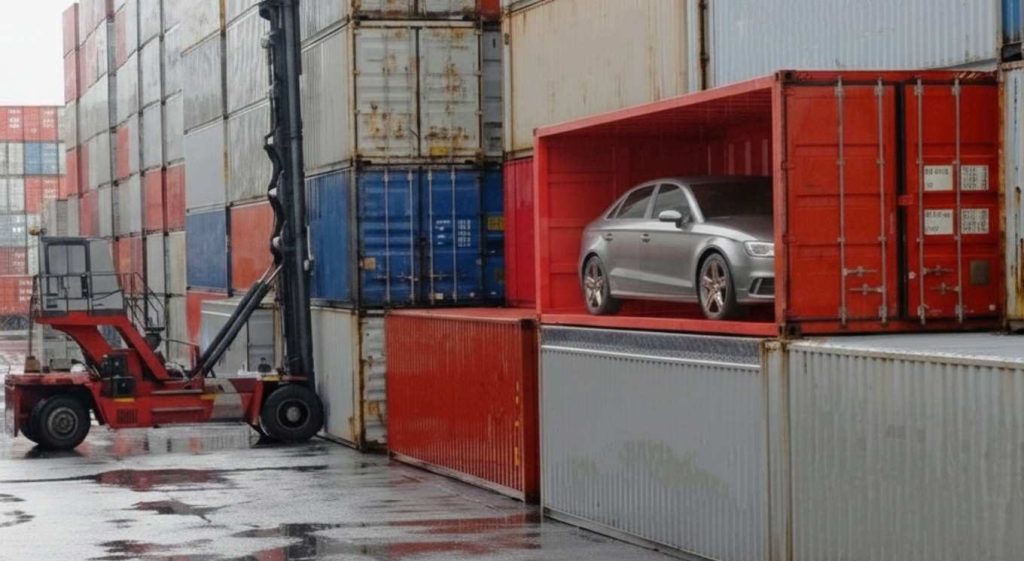
Shipping cars to and from Alaska requires car haulers to work with shipping companies to arrange shipments. There are two ways to ship your car over the ocean: roll-on/roll-off shipping, or RORO, and container shipping. Container car shipping is a method of transporting vehicles where your car is placed inside a sealed shipping container for protection during transit.
Container shipping provides maximum security and protection from the elements, including saltwater, rain, dust, and potential handling damage. This method is commonly used for luxury, classic, high-value, or non-operable vehicles, as well as when you want to ship personal belongings inside the car along with the vehicle. Containers typically come in 20-foot or 40-foot sizes, which can carry one or more vehicles depending on size and configuration.
The process involves delivering the car to a shipping terminal, where it is carefully loaded into a container, secured with straps or blocks, and sealed. The container is then transported by ship, truck, or train to the destination, where it is unloaded and inspected.
How to Choose the Right Container
The first part of the process is picking the right container for your specific car shipping needs. You typically have two options:
- Dedicated 20-foot container: Ideal for one vehicle, this option is perfect for luxury cars, classic vehicles, high-value cars, or non-operable vehicles that require extra protection. Using a dedicated container ensures your car gets maximum space and care, minimizing the risk of scratches or damage during transport. Because you’re reserving the entire container for your vehicle, this option is more expensive, but it provides peace of mind for valuable or customized cars.
- Shared 40-foot container: Suitable for multiple standard vehicles, this larger container can hold two to four cars, depending on their size. This option is often used for regular sedans, SUVs, or trucks and is more cost-effective, as the shipping cost is split among the vehicles. Shared containers are safe when vehicles are properly secured with straps and blocks, but they may not offer the same level of exclusivity or space as a dedicated container.
Loading and Securing Vehicles in Their Containers
Loading cars into containers is the most difficult part of the process, but Alaska Auto Transportation has plenty of experience doing this. Firstly, your car needs to actually get into its container. The most common way we do this is by simply driving it into the container on a ramp. Occasionally, we instead use a flatbed truck, backing it up to the container and driving the car from there.
Next, your car needs to be secured inside its container. We accomplish this through a combination of tie hooks and wooden blocks or metal chocks. The tie hooks secure your car in place, ensuring it cannot shift much during travel. The blocks and chocks prevent any tire rolling. When combined, these two pieces of equipment ensure that your car will not roll around or bump into anything as it sits on the back of its transport ship.
Finally, the whole container needs to be loaded onto the ship that will take your car across the sea. We’ll use one of our cranes to load the container onto our transport vehicle. Port workers will then use a crane to load it safely onto the ship.
Unloading Is the Same Process in Reverse
After your car makes its journey across the sea, the same process of loading occurs in reverse. First, a port worker will unload the container containing your car, placing it on our transport vehicle. We then drive it wherever you need your car to go, whether it’s still in its container or in one of our enclosed car transport carriers! Of course, we have to take it out of its trailer to do the latter, but we’ll take similar measures to ensure your car’s complete security.
Container car shipping is easy and stress-free when you choose to work with us. For a free quote on your next car shipment, fill out our quote form today!
What Affects the Cost of Container Car Shipping?
Several factors influence the price of shipping a vehicle in a container, making it important to plan ahead and understand what drives costs.
- Vehicle size and type are major considerations — larger cars, trucks, or SUVs take up more space and may require specialized handling, which increases cost.
- Shipping distance and route also play a key role; transporting a car from the continental U.S. to Alaska will generally cost more than shorter domestic routes due to fuel, transit time, and port fees.
- The type of container (dedicated versus shared ) is another factor, with dedicated containers being more expensive because the entire container is reserved for one vehicle.
- Additional considerations include seasonality, demand, and any special requirements, such as non-operable vehicles, high-value cars, or including personal items in the container.
Understanding these factors helps car owners budget effectively and choose the right shipping option for their needs.

 February 18, 2025