(907) 290-8899
 info@alaskaautotransportation.com
 3150 C St Anchorage, AK 99503
If you’ve never shipped a car before, it could be a daunting task. You want to make sure your car is taken care of while still making sure you’re getting a good deal. However, the first time you do anything in this life, you’re not going to be good at it. You really need to rely on your shipping company to fill the gap.
Shipping a car to or from Alaska requires more than just choosing a transport method – it also involves preparing the correct documents to ensure a smooth and legal shipment. Because Alaska vehicle transport often includes ocean freight, port handling, and federal and state regulations, missing or incorrect paperwork can cause delays, added fees, or even shipment refusal.
Whether you’re shipping a vehicle to Alaska, sending one to the Lower 48, or transporting a car purchased at an Alaska auto auction, understanding the required documents in advance helps avoid complications. From proof of ownership to identification and port release forms, having everything ready ensures your vehicle moves quickly, safely, and without unnecessary setbacks.
Vehicle Title & Registration
The vehicle title proves ownership and is the most important document for shipping a car. Transport companies and ports will not release or accept vehicles without a properly signed title. If the vehicle is financed, a lien release from the lender is also required. For auction vehicles, the title must usually be transferred to the buyer before shipping.
Your current registration shows that the vehicle is legally registered for road use. While it may not always be mandatory for ocean transport, many carriers and ports in Alaska require it to confirm ownership and compliance with state regulations.
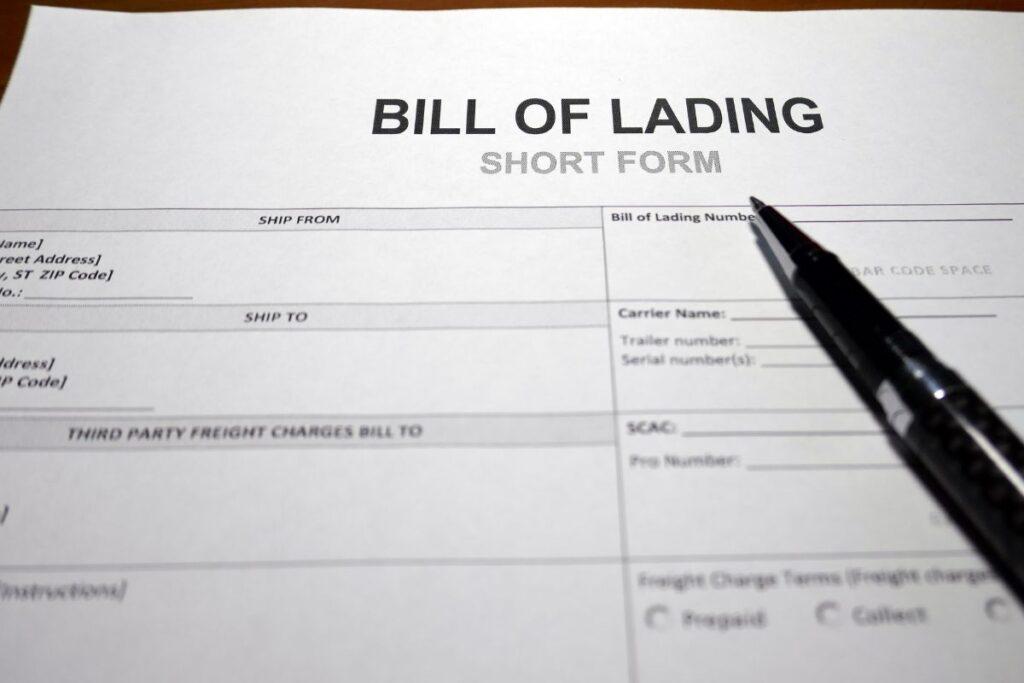
Bill of Lading (BOL)
When your shipping company first picks up your car, they’ll do an inspection. Here they’ll check for any previous scratches or dings. They’ll note all of this on the bill of lading. If you’ve ever rented a car, you’ve gone through a similar process. Then when they drop off your car, you’ll sign to agree that you’re receiving the car in a similar condition. However, tap the brakes and don’t sign until you perform your own inspection.
The BOL is essential because it:
- Confirms that the carrier has taken possession of the vehicle.
- Provides a reference in case of damage claims or disputes.
- Is often required at both the origin and destination ports before the vehicle can be released.
Check every corner inside and outside of your car to make sure that you don’t have any new dings that weren’t there before. If you do see something, make sure that the driver includes this in the Bill of Lading. This is because insurance companies see this document as law when filing a claim. If it’s not on the bill of lading, it’s like it never happened at all. To avoid headaches and hassles, make sure that you take your time before you sign.
Port Release Forms
Alaska ports often require specific release forms that authorize the shipping company to handle your vehicle. These forms ensure the carrier can pick up, load, and deliver the car without legal complications.
Port Release Forms are mandatory when shipping a car to Alaska as well as when shipping from Alaska. These forms authorize the port to accept, handle, and release the vehicle to the shipping carrier. Without this document, the port cannot legally release your car, which can cause delays or additional fees. For smooth processing, always check with the specific port and your carrier to ensure the correct Port Release Form is completed and submitted before your vehicle arrives.
Insurance Documentation
While not always mandatory, proof of insurance is highly recommended. It protects you in case of damage during transport and may be required by certain carriers, especially for high-value vehicles or container shipping.
Key points to know about insurance documentation:
- Proof of Existing Vehicle Insurance: Carriers may ask for a copy of your current auto insurance policy to confirm the vehicle is covered during transport.
- Carrier Insurance Coverage: Most shipping companies provide some level of insurance, but the coverage may be limited. Reviewing the policy and having additional insurance if needed is wise for high-value, classic, or luxury vehicles.
- Shipping-Specific Insurance Forms: Some carriers require a signed insurance acknowledgment form, confirming that you understand what is covered and what is not during transit.
- Claim Process: Keep documentation handy, including photos of the vehicle before pickup, to simplify filing a claim in case of damage.
Port-Specific Paperwork Differences
When shipping a vehicle to or from Alaska, it’s important to understand that each port may have slightly different paperwork requirements. Alaska’s major vehicle shipping ports, such as Anchorage, or Dutch Harbor, have their own rules for vehicle pickup, loading, and release. Knowing these differences ahead of time helps avoid delays, additional fees, or rejected shipments.
Some key port-specific considerations include:
- Port Release Forms: While all ports require authorization to release your vehicle to the carrier, the exact form and submission process can vary. Some ports allow digital submission, while others require signed physical forms in advance.
- Identification Requirements: Certain ports may ask for multiple forms of ID, such as a government-issued photo ID plus a copy of the vehicle title or registration, to ensure proper release.
- Auction Vehicles: Vehicles purchased from Alaska auto auctions often need extra documentation for port release, including auction purchase confirmation and auction-specific release forms. Some ports may require these forms to be submitted 24–48 hours before shipping.
- Inspection Requirements: Some ports conduct a quick inspection before allowing a vehicle onto the ship. This can include checking the VIN, verifying that the car is operable (for RORO shipments), and confirming the paperwork is complete.
- Timing and Cutoff Rules: Each port sets strict deadlines for vehicle drop-off before shipping. Missing the deadline can delay your shipment to the Lower 48 by days or even weeks.

 February 18, 2025